Duluth Lake Superior Concrete
218-440-8633
This is paragraph text. Click it or hit the Manage Text button to change the font, color, size, format, and more. To set up site-wide paragraph and title styles, go to Site Theme.
This is paragraph text. Click it or hit the Manage Text button to change the font, color, size, format, and more. To set up site-wide paragraph and title styles, go to Site Theme.

This is paragraph text. Click it or hit the Manage Text button to change the font, color, size, format, and more. To set up site-wide paragraph and title styles, go to Site Theme.
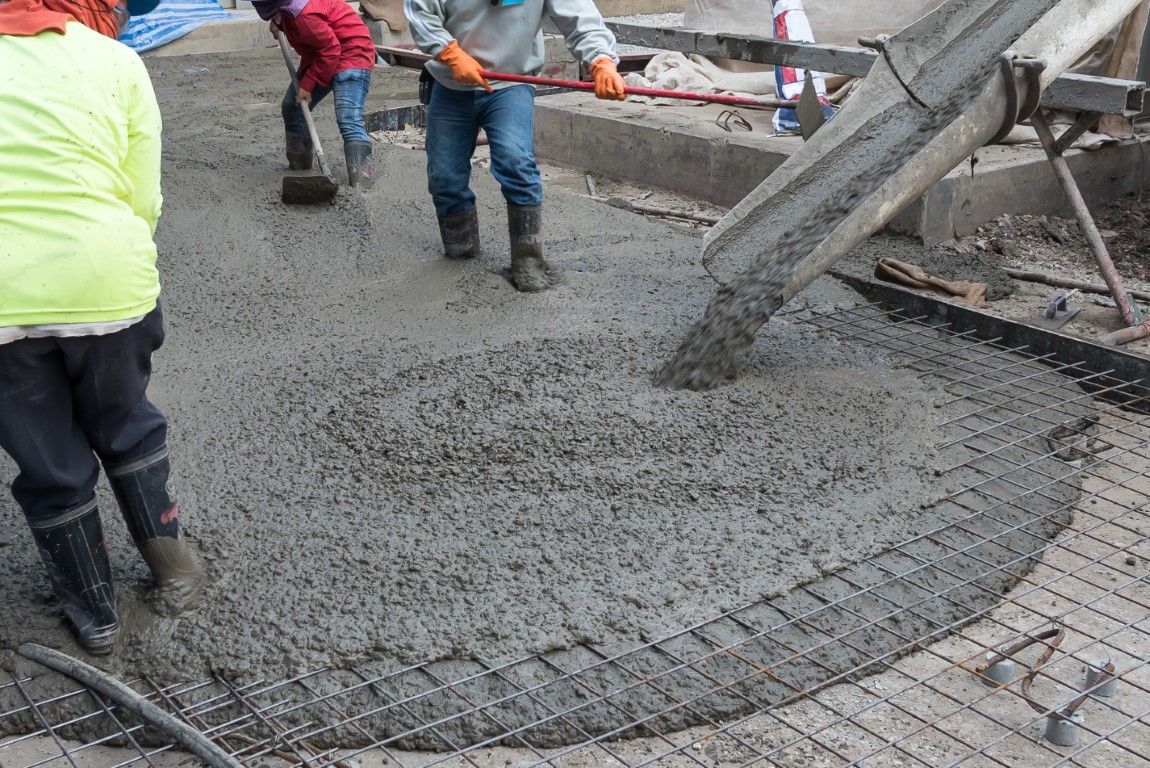
Concrete is one of those things people think they understand because they see it every day. Driveways, sidewalks, patios, and garage floors. It feels simple. You pour it, it hardens, and it lasts forever. In reality, concrete is more nuanced than most homeowners realize. A lot of well-intentioned decisions are made based on myths that sound reasonable but end up causing problems years later. After working with homeowners around Duluth, the same misunderstandings come up again and again. Clearing them up early can save money, frustration, and unnecessary repairs down the road. Myth 1: All Concrete Cracks Mean Something Is Wrong This is probably the most common concern homeowners have. The truth is that concrete cracks. Even well-installed concrete will develop some cracking over time as it cures, settles, and responds to temperature changes. Small, hairline cracks are often cosmetic and do not affect performance. What matters is how a crack behaves. Cracks that grow wider, longer, or start allowing water in deserve attention. Cracks that remain stable year after year often do not. Assuming every crack is a failure can lead to unnecessary worry or repairs, while ignoring changing cracks can allow real problems to grow. Myth 2: Thicker Concrete Automatically Means Better Concrete Thickness matters, but more is not always better. Concrete needs to be designed for its purpose. A driveway that supports vehicles needs a different thickness and reinforcement than a patio or walkway. Pouring everything extra thick without proper base preparation or reinforcement does not guarantee durability. In many cases, proper base compaction, drainage, and reinforcement have a bigger impact on long-term performance than simply adding more concrete. Myth 3: Concrete Is Maintenance Free Concrete is durable, but it is not maintenance-free. Over time, exposure to water, temperature changes, and everyday use will wear it down. Small cracks, drainage issues, and surface wear are much easier to address early than after years of neglect. Basic maintenance, like managing water flow, addressing minor damage, and keeping an eye on changes, helps concrete last significantly longer. The idea that concrete never needs attention often leads to bigger repairs later. Myth 4: Sealer Fixes Everything Concrete sealers can be helpful, but they are not a cure-all. Sealer does not fix structural problems, poor drainage, or underlying movement. Applying sealer over damaged or poorly installed concrete can actually trap moisture and make problems worse. When used correctly, sealers can reduce moisture absorption and protect surfaces. When used incorrectly, they give a false sense of security. Knowing when sealing makes sense and when it does not is important. Myth 5: Concrete Damage Happens Suddenly Most concrete problems develop slowly. Driveways rarely fail overnight. Patios do not suddenly become uneven. Foundations do not shift all at once. The signs usually show up gradually and are easy to dismiss at first. Homeowners often say, “It didn’t look like this last year,” without realizing the change has been happening in small steps over several seasons. Paying attention to gradual changes helps prevent surprises. Myth 6: Any Contractor Can Pour Good Concrete Concrete work looks straightforward, but quality depends heavily on experience. Local conditions matter. Soil behavior, drainage patterns, and weather timing all affect how concrete performs long-term. A contractor who understands Duluth’s conditions will approach projects differently than someone working in a milder climate. Experience shows in base preparation for footings , slope decisions, and how concrete is finished and cured. Myth 7: Cheaper Concrete Is Usually Good Enough Choosing the lowest price often leads to higher costs later. Lower bids may cut corners on base preparation, reinforcement, or materials. These shortcuts are not always obvious right away, but they tend to show up as cracking, scaling, or uneven surfaces over time. Concrete is a long-term investment. Paying attention to quality upfront usually results in fewer repairs and longer service life. Why These Myths Cause Real Problems Most concrete issues homeowners face are not caused by one big mistake. They come from small decisions based on incomplete information. Believing these myths can lead to ignoring early warning signs, choosing the wrong solution, or delaying necessary work. Over time, those choices add up. How We Help Homeowners Make Better Decisions At Duluth Lake Superior Concrete , we spend a lot of time explaining what matters and what does not. Sometimes that means reassuring homeowners that a crack is normal. Other times, it means explaining why a surface is wearing faster than it should. Our goal is clarity, not pressure. When homeowners understand how concrete really behaves in this area, they are better equipped to protect their investment. Final Thoughts Concrete is durable, but it is not simple. Understanding what’s normal, what’s a myth, and what deserves attention helps homeowners avoid unnecessary repairs and catch real problems early. The more informed the decision, the better the long-term result.
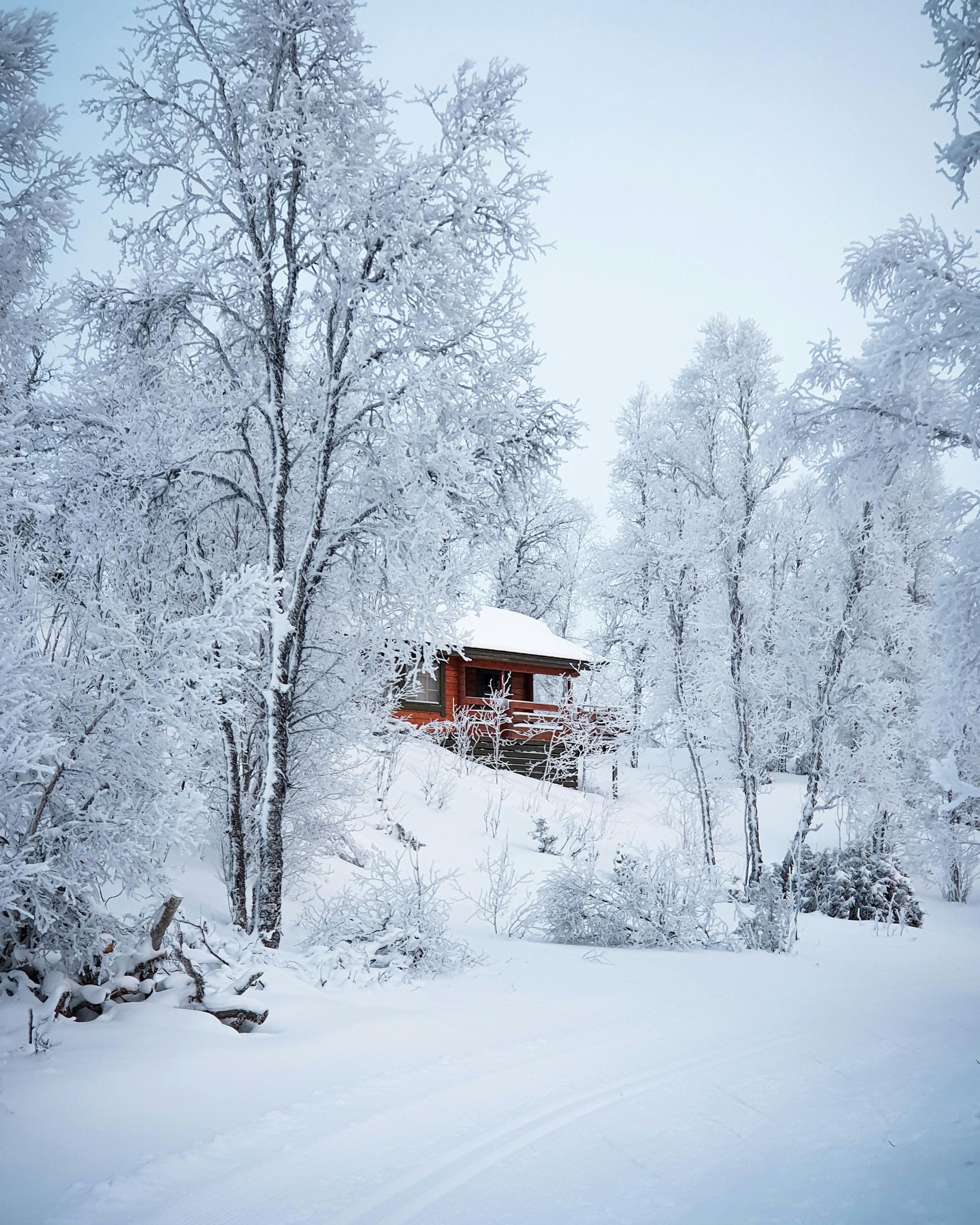
If you live somewhere with long winters, your house has been through more than you probably think about. Every year, the ground freezes. Then it softens. Then it freezes again. Snow builds up, melts, refreezes, and eventually turns into water that has to go somewhere. Most of the time, that water ends up right next to your foundation. The tricky part about foundation issues in winter climates is that they rarely dramatically announce themselves. There’s no single moment where something cracks loudly or shifts overnight. What usually happens is much quieter than that. Someone notices a thin crack in the basement wall and can’t remember if it was always there. The basement smells a little damp near the end of winter, but nothing is dripping. A door sticks for a few weeks and then seems fine again. None of these things feels serious on their own, so they get ignored. That’s how winter damage usually starts. Slowly. Almost politely. Why Winter Freeze-Thaw Cycles Matter So Much Concrete is strong, but it isn’t sealed like plastic or metal. Even a well-built foundation has tiny pores and hairline cracks. That’s normal. It’s how concrete behaves as it cures and ages. Water gets into those tiny spaces. It always does. When winter hits and temperatures drop, that water freezes. Freezing water expands. When it warms up again, the ice melts and contracts. One freeze-thaw cycle doesn’t cause damage. The problem is repetition. In many winter climates, temperatures cross above and below freezing dozens of times each season. Every time that happens, the concrete experiences a small amount of internal stress. At the same time, the soil outside the foundation is going through the same freezing and expanding process, pushing inward. Nothing fails right away. Instead, the concrete slowly gets tired. Tiny cracks widen just enough to let in more water. Corners and weak points start taking more pressure. Over time, the foundation becomes more vulnerable to the next winter, and then the next one after that. This is why foundation issues caused by winter almost always feel like they “came out of nowhere,” even though they’ve been building for years. What’s Normal and What Isn’t One of the biggest concerns homeowners have is whether every crack means trouble. It doesn’t. Some movement is normal. Houses settle. Materials expand and contract with temperature changes. Older homes almost always have small cracks that never become serious. Vertical hairline cracks that stay the same size year after year are often cosmetic. Minor shifts during winter that correct themselves once the ground fully thaws in spring are also common. The real issue isn’t movement. It’s a change. When cracks slowly grow wider, when new cracks appear where there were none before, or when moisture starts showing up during snowmelt, that’s usually a sign the foundation is under more stress than it should be. Signs Winter Stress Is Starting to Add Up Winter-related foundation damage tends to follow the same patterns over and over again. Homeowners often notice things like: Cracks that slowly lengthen or widen over time New cracks are forming near corners or along basement walls Damp areas or moisture appearing during snowmelt Floors that feel uneven when you walk across them Doors or windows that start sticking more often Individually, any one of these can seem minor. Together, especially if they keep getting worse each year, they usually point to a foundation that’s being pushed a little harder every winter. Why Problems Show Up Late in Winter or Early Spring Late winter and early spring are when many foundation issues finally become noticeable. Snow starts melting. The soil around the home becomes saturated with water. At the same time, the ground begins to thaw and expand. This combination puts extra pressure against foundation walls and allows water to move more easily through existing cracks. That’s when basements start to feel damp. Musty smells show up. Small leaks appear in places that stayed dry earlier in winter. A lot of homeowners assume these are temporary seasonal issues because they often fade in summer. What’s easy to miss is that winter didn’t create the problem overnight. It just revealed it. Soil Makes a Bigger Difference Than Most People Think Soil plays a major role in how winter affects a foundation. Clay-heavy or poorly draining soil holds onto moisture longer. When that moisture freezes, it expands and presses against the foundation. If water isn’t directed away from the home properly, the foundation stays wet longer than it should. Over multiple winters, that repeated pressure adds up. Even homes that were well built can experience cracking, bowing, or shifting if drainage and soil conditions aren’t working in their favor. This is why two houses on the same street can behave completely differently in winter. Should You Watch It or Call Someone? This is where a lot of homeowners feel stuck. Small cracks that don’t change can often be monitored safely. Taking a photo once or twice a year is usually enough to see whether anything is moving. But if cracks are growing, moisture is becoming more common, or new symptoms keep appearing, it’s usually worth having someone take a look. An inspection doesn’t mean you’re signing up for major repairs. In many cases, it simply gives you clarity. Knowing what’s actually happening makes it easier to decide what to do next. Why Waiting Can Make Things Harder Foundation problems caused by winter don’t usually fix themselves. Water entering cracks speeds up deterioration and can eventually lead to interior damage or mold concerns. Waiting also limits options. Smaller issues are often easier and less invasive to fix. Larger problems usually require more extensive work and higher costs. Early attention tends to give homeowners more flexibility, not less. How We Can Help Most homeowners who reach out to us don’t do it because something has failed. They do it because something feels different from the way it used to. Our job is to look at the foundation as it actually is, not jump to worst-case scenarios. Sometimes that means explaining that a crack is cosmetic and doesn’t need immediate attention. Other times it means identifying early signs of winter stress that are likely to keep getting worse if nothing changes. We focus on clear explanations and practical solutions. That might involve improving drainage, sealing specific cracks, or recommending targeted repairs that address the cause instead of just covering up symptoms. Just as important, we believe homeowners should feel informed, not pressured. Understanding what’s normal and what isn’t makes it much easier to make confident decisions about your home. Simple Things Homeowners Can Do There are also steps homeowners can take on their own to reduce winter stress on a foundation. Keeping gutters clear helps prevent water from pooling near the house. Downspouts should carry water away, not drop it next to the foundation. The ground around the home should slope away so melting snow doesn’t collect against the walls. Paying attention to changes from one season to the next matters too. Foundations usually give warnings. They just do it quietly. Trusting Your Instincts Homes in northern regions go through a lot every winter, and foundations absorb much of that stress. If something seems slightly worse each spring, that feeling is usually worth listening to. Asking questions early is often the difference between a manageable repair and a much larger problem later on. A good foundation professional won’t rush you. They’ll help you understand what’s happening and what makes sense for your home.